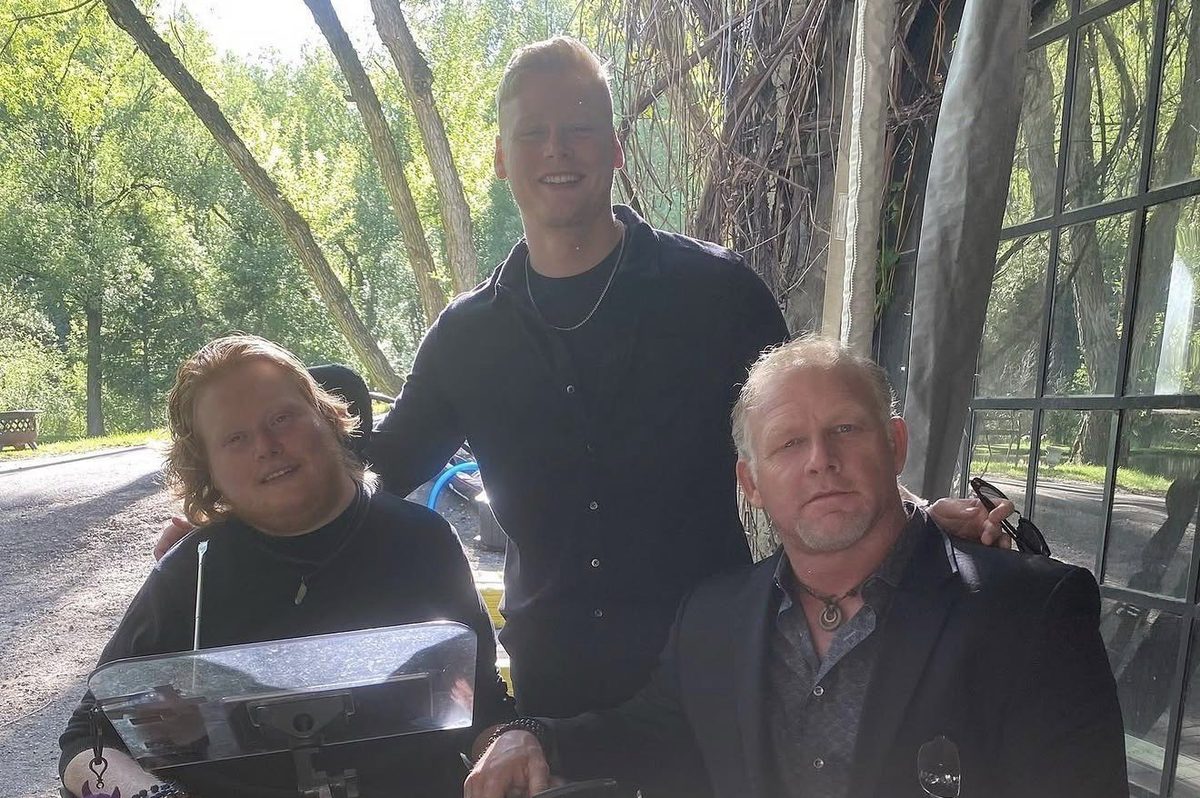
A special needs trust in Colorado solves a planning problem specific to parents of children with disabilities, one most other parents never have to face. I know this not only as an attorney but as a parent, my son required a special needs trust after a serious injury in 2011, and that experience sits behind everything in this article. Leaving money directly to a child with a disability can disqualify them from the government benefits they depend on. A special needs trust solves that problem, but the structure has to be right.
The problem with a direct inheritance
Many government benefit programs, SSI, Medicaid, and others, are means-tested. They are only available to individuals whose assets fall below certain thresholds. If a child with a disability inherits money outright, that inheritance may push them over the asset limit and cut off benefits they need to live. In many cases, the benefits lost are worth far more than the inheritance itself. The intention was generosity. The result can be the opposite.
What a special needs trust does
A properly structured special needs trust holds assets for the benefit of a person with a disability without those assets counting against their eligibility for government benefits. The trust can pay for things government programs do not cover, education, recreation, transportation, technology, and other quality-of-life expenses, while preserving eligibility for Medicaid-funded healthcare and SSI income support. Done correctly, the individual gets the benefit of both the trust and the government programs.
Two types, different rules
A third-party special needs trust is funded with assets from someone other than the beneficiary, typically parents or grandparents. It can be set up during the parent's lifetime or through their estate plan. When the beneficiary dies, remaining assets pass to whoever the trust designates. A first-party special needs trust is funded with the beneficiary's own assets, a personal injury settlement, for instance, or an inheritance received outright before a trust was in place. The rules governing these two types differ significantly, and first-party trusts carry more restrictions. And yes, it is possible to have both. A family may set up a third-party trust as part of their estate plan and later find themselves establishing a first-party trust when a settlement or inheritance comes in directly. The two can coexist.
What can go wrong
A special needs trust that is not drafted correctly can fail at its core purpose. Certain provisions can cause trust assets to be counted as available resources, which defeats the entire structure. When I went through this process for my own son, the thing that became clear quickly is that the legal mechanics and the human reality of the situation are inseparable. The trustee needs to understand what the trust can and cannot pay for, and how distributions should be made to preserve benefit eligibility. A generic document almost never gets this right.
The broader picture
A special needs trust is one part of a larger plan. Parents also need to think about guardianship or conservatorship when the child reaches adulthood, what happens if the parents become incapacitated before they die, who serves as trustee now and as a successor, and how the trust gets funded, often through life insurance. The plan has to account for the realistic possibility that the child will outlive the parents by many years, and that the support network around them may change in ways that are hard to predict.
If you have a child with a disability and this planning has not been done, or what you have is old or was not drafted with these specific requirements in mind, it is worth a careful look. If it would help to talk through your situation with someone who has been on both sides of that table, I am glad to do that.
About the Author
Michael Hoog is a Colorado business attorney and founder of Hoog Law in Longmont, Colorado. He works with businesses across the range of their life cycle, from entity formation to exit strategy and most things in between. This article is for general information purposes only and does not constitute legal advice or create an attorney-client relationship.